
Melbourne Ecommerce Agency.
For Stores That Should Be Selling More.
You’ve got a solid product range and an existing customer base. Your store just isn’t converting the way it should. We fix that — with WooCommerce development, ecommerce SEO, and strategy built around your numbers, not a template.
Based on St Kilda Road. Working with Melbourne businesses that are serious about ecommerce.
Get a Free Ecommerce Audit See Our WorkWhy Melbourne Businesses Come to Us
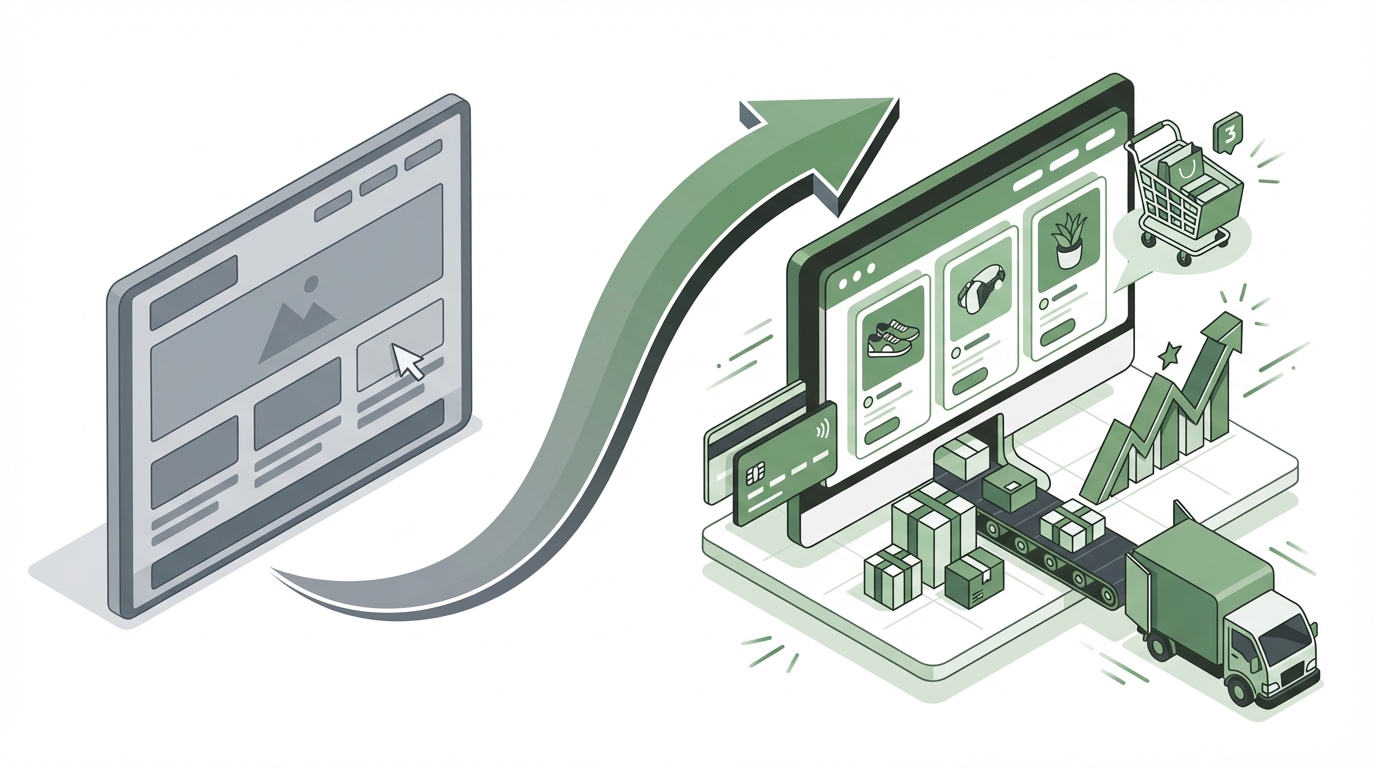
We Start With a Diagnosis, Not a Deliverable
Most ecommerce agencies will build you a store. We start by diagnosing why your current one isn’t performing — then we fix it.
That means reviewing your analytics, auditing your store architecture, identifying where customers are dropping off, and putting together a clear action plan before a single line of code is written.
WooCommerce Specialists, Not Generalists
We specialise in WooCommerce — not because it’s trendy, but because it gives established businesses the flexibility they need. Custom product types, complex pricing structures, B2B and retail on the same platform, integration with your existing systems.
Three Reasons Stores Underperform
If your store is underperforming, it’s usually for one of three reasons: technical issues slowing it down, UX problems causing customers to abandon, or SEO gaps meaning the right people aren’t finding you. We address all three.
What We Do
WooCommerce Development
Custom WooCommerce builds, migrations from Shopify or Magento, and performance-focused rebuilds for stores that have outgrown their current setup. We handle everything from product catalogue architecture to payment gateway integration, shipping rules, and custom checkout flows.
Ecommerce SEO
Organic search is the highest-ROI channel for most ecommerce stores. We do the work that actually moves rankings: technical SEO audits, category page optimisation, product schema, internal linking architecture, and content that targets buyer-intent keywords. Not vanity metrics — revenue-driving traffic.
Conversion Rate Optimisation
More traffic doesn’t help if the store isn’t converting. We analyse your data, identify friction points, and test improvements to product pages, cart flow, and checkout. A 1% improvement in conversion rate has the same effect as a 20% increase in traffic — and it costs a fraction of the price.
Ecommerce Strategy
For businesses entering ecommerce for the first time or repositioning an underperforming store. Platform selection, channel strategy, pricing architecture, and a roadmap that ties ecommerce to your broader business objectives.
Ongoing Growth Partnerships
We work with a small number of Melbourne businesses on an ongoing basis — monthly SEO work, CRO testing, reporting, and continuous improvement. If you want an ecommerce team in your corner rather than a one-off build, this is how we work.
What This Looks Like in Practice
Three WooCommerce stores. Three different industries. All on the east coast. Here’s what changed.
From gated B2B catalogue to a fully public online store
A Queensland agricultural parts supplier serving farmers, contractors, and equipment dealers across Australia and New Zealand.
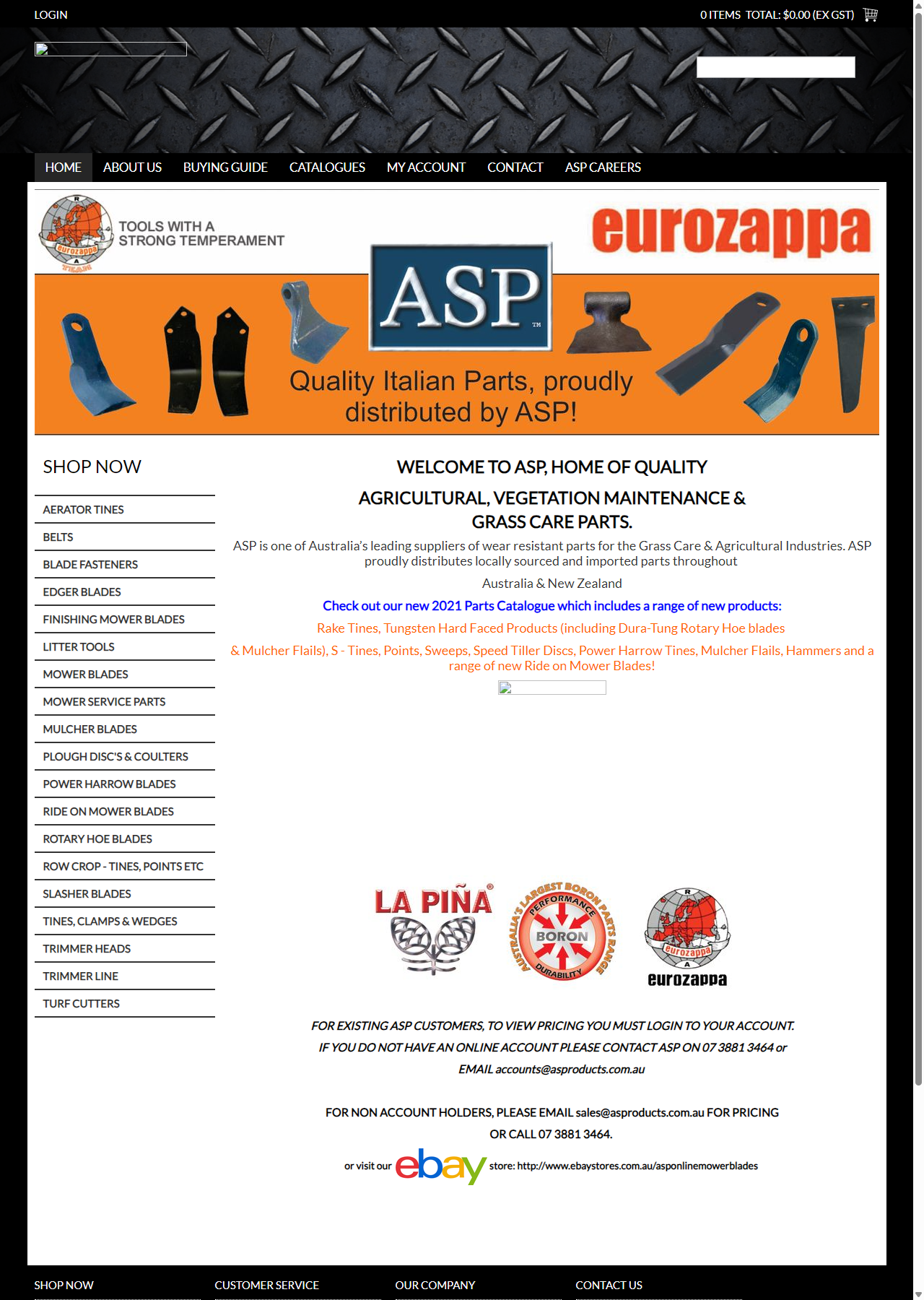
- Pricing: completely hidden behind login wall
- Ordering: phone, email, or login required
- Title tag: simply “Home Page”
- Categories: tabs that search engines couldn’t crawl
- Split channel: eBay store promoted as alternative
- No analytics, no structured data, no mobile-friendly design
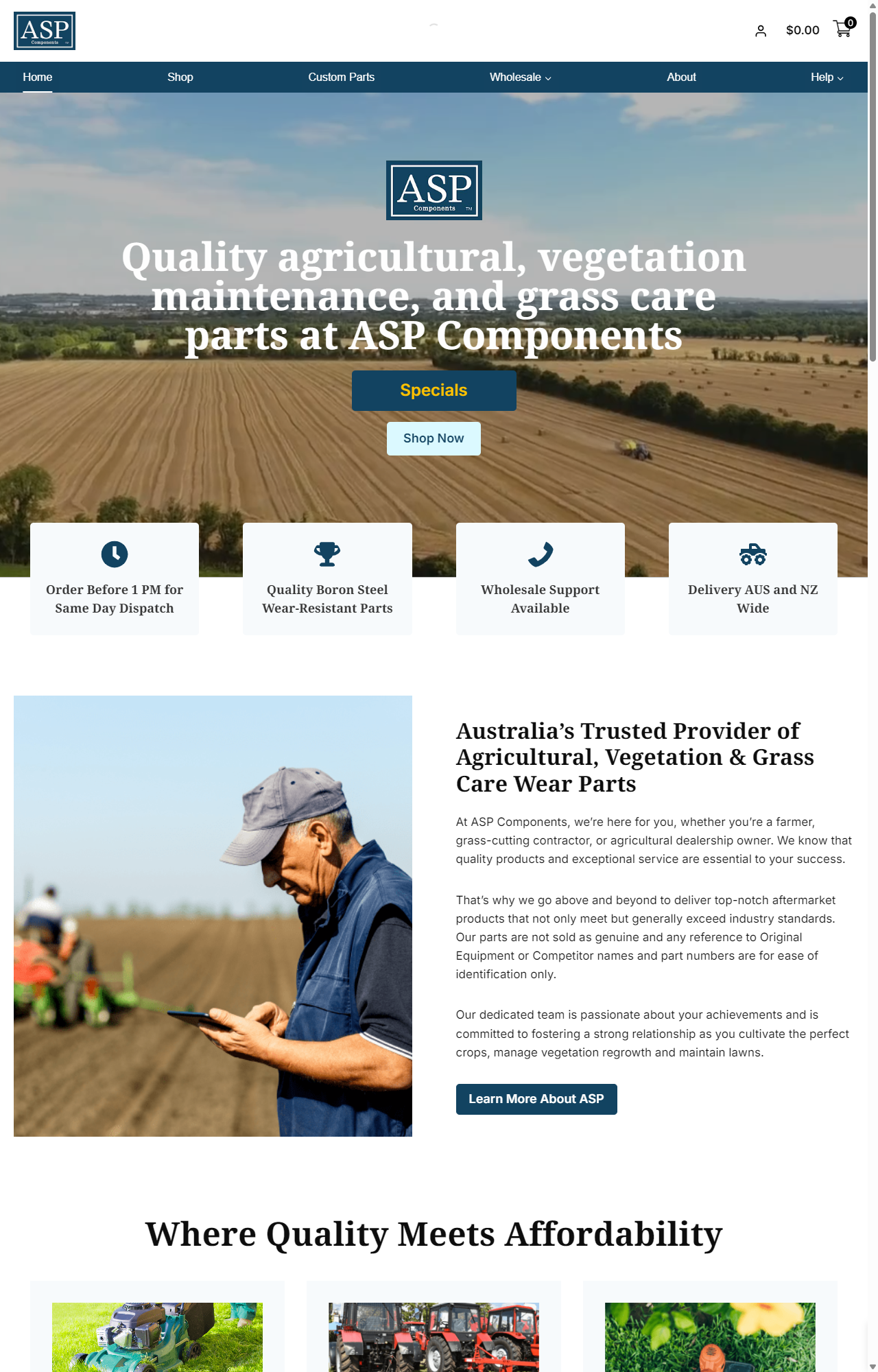
- Public pricing with self-serve checkout
- Account creation optional, not mandatory
- Every category became an individually crawlable page
- One channel, one brand (eBay store removed)
- Banner highlighting dispatch, quality, wholesale, and delivery
- Dedicated pages for wholesale, custom parts, FAQs, and reviews
The biggest ecommerce strategy decision for a business with existing trade relationships is often the simplest one. Let people see your prices and buy without calling. When this business opened its catalogue to the public, it unlocked a direct-to-consumer revenue stream that sat alongside its existing trade accounts. Both channels grew.
Running a similar B2B operation? Let’s talk about what this could look like for you.
From minimum viable store to multi-location ecommerce brand
A heritage Melbourne patisserie with roots dating back to 1943.
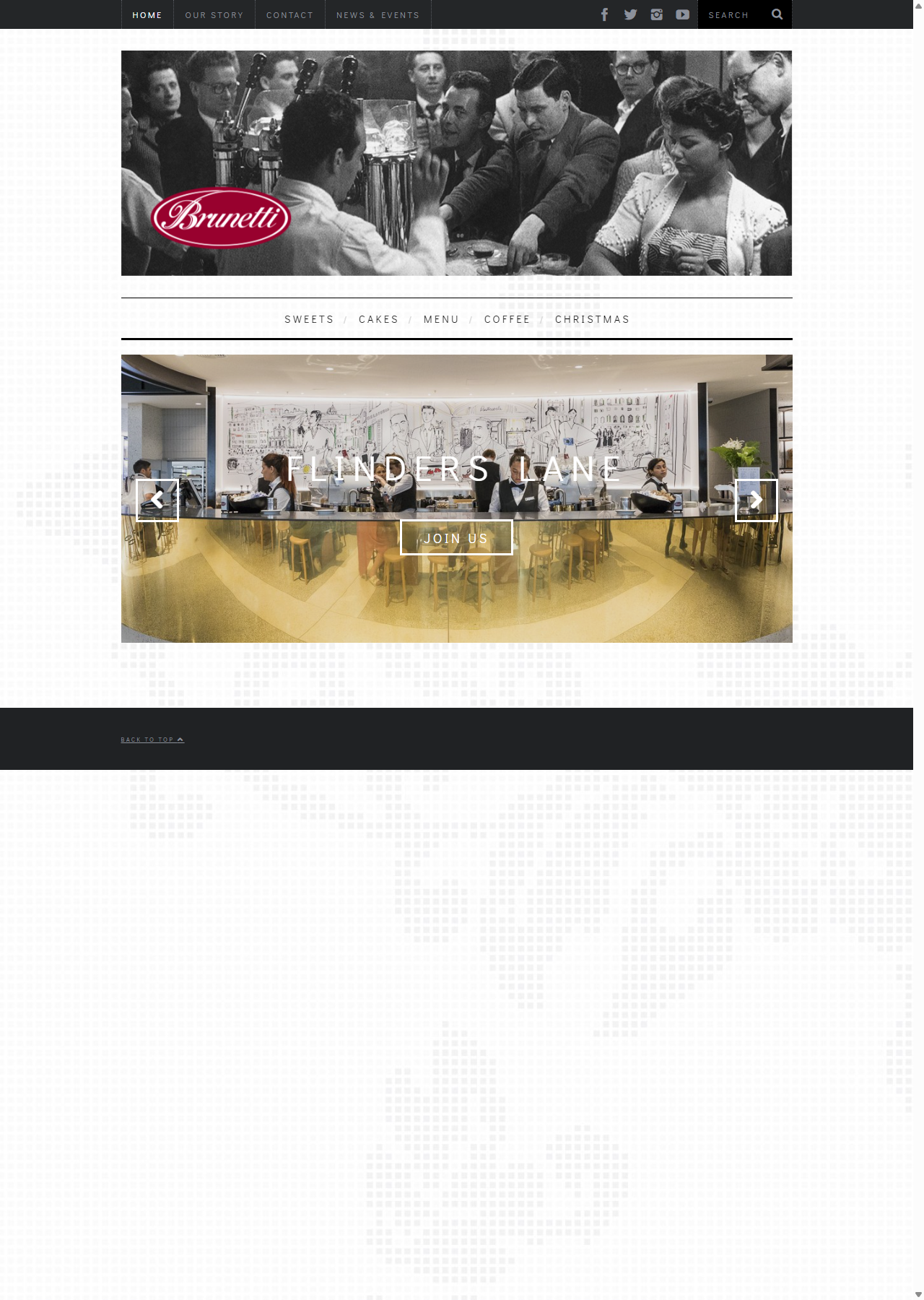
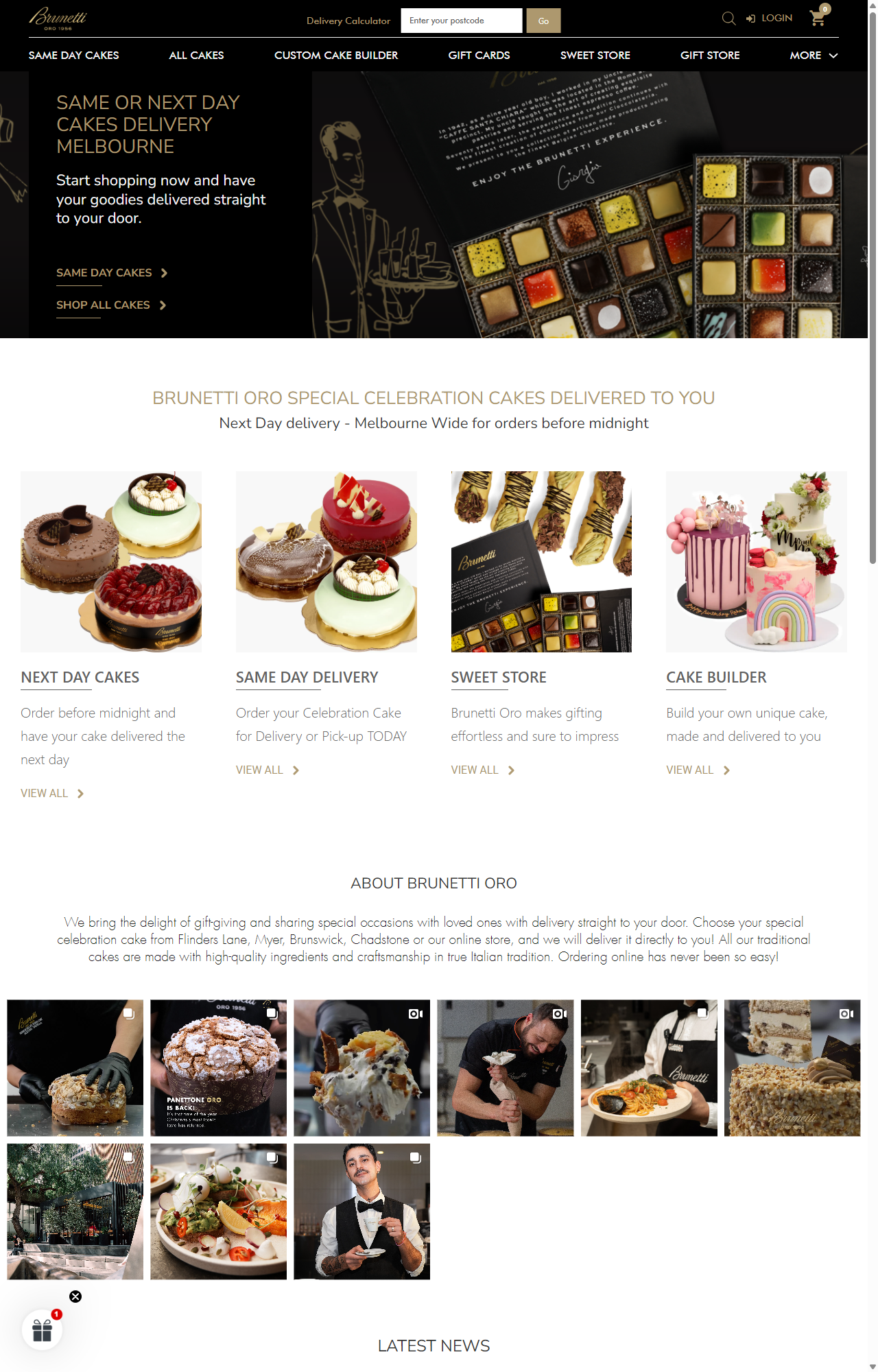
- Homepage heading: “Same Day Delivery” (no brand name)
- Navigation: 4 items
- Structured data: told search engines almost nothing
- Cake builder: listed as “Coming Soon”
- Single location only
- Brand-led homepage with heritage story and product promise
- 14+ navigation items covering cakes, gifts, catering, menus, careers
- Full structured data telling Google exactly what this business is
- Live cake builder with real-time pricing
- 5 Melbourne locations with local search visibility for each
An ecommerce strategy isn’t just about the online store. It’s about making your entire business visible and trustworthy in search results. The code behind the site now tells Google exactly what this business is: an Italian bakery with a real address, opening hours, and price range. That visibility drove local search results across all five locations.
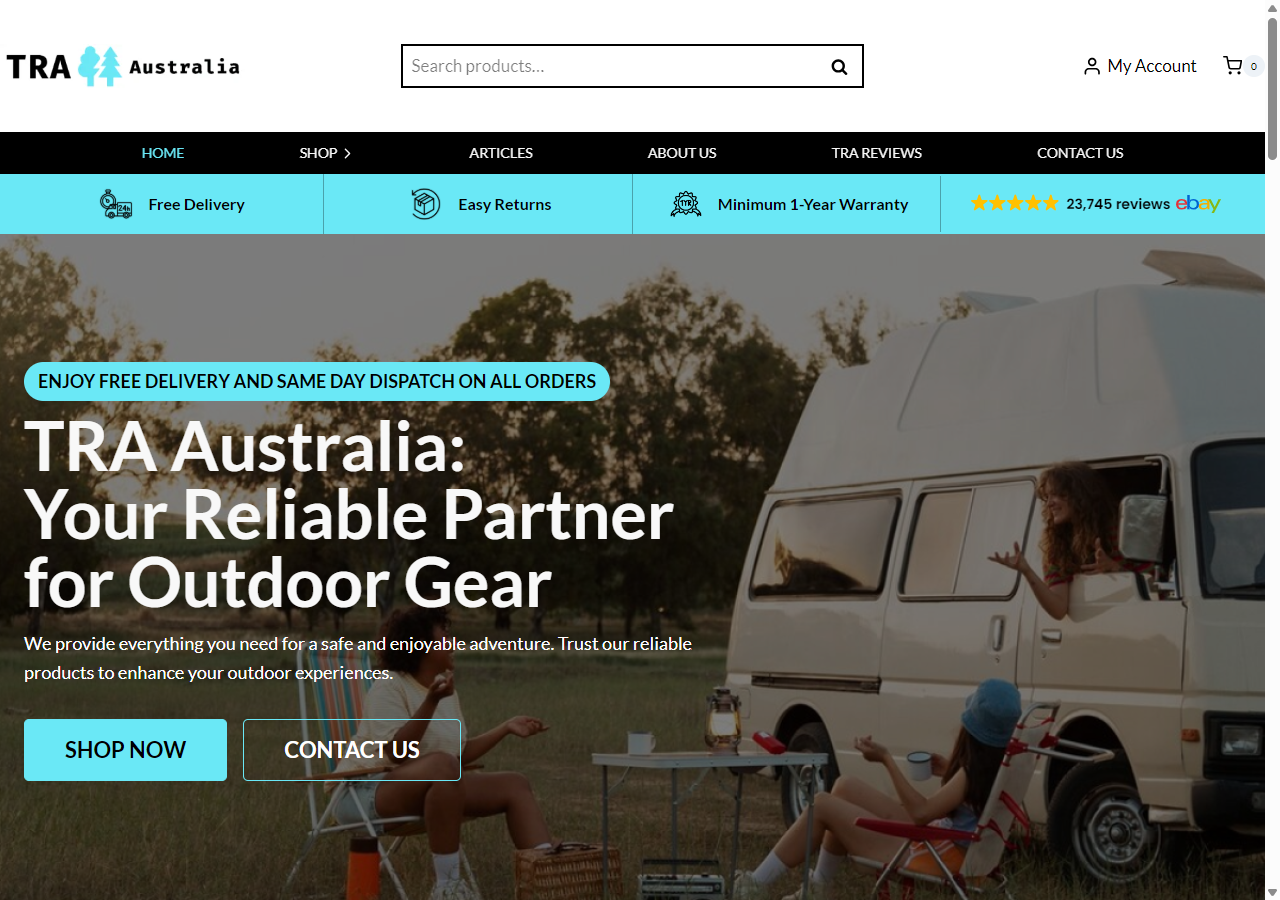
From basic online catalogue to branded ecommerce experience
A family-owned caravan and outdoor accessories supplier based in Queensland.
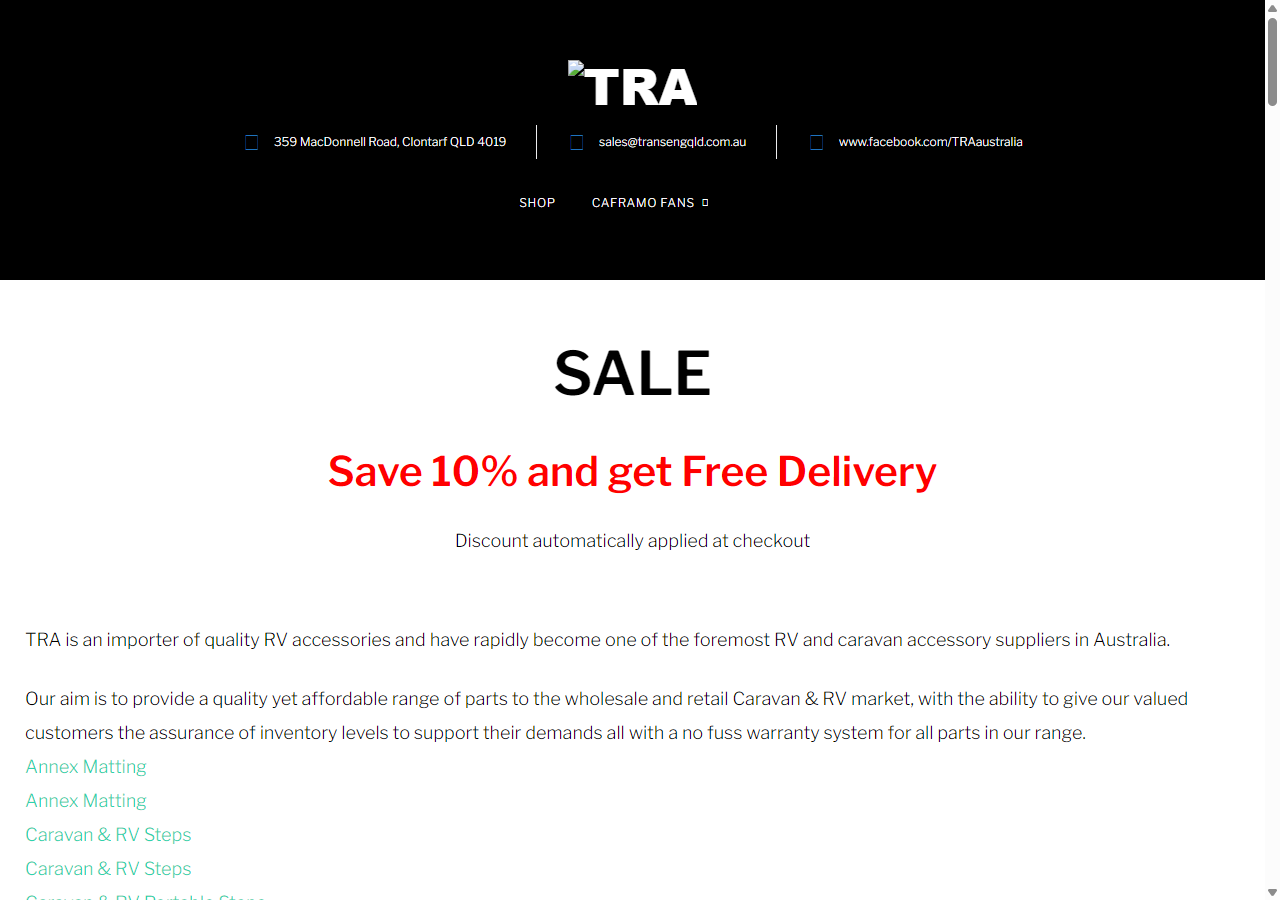
- Navigation: just “Shop” and individual fan model names
- Brand story: none
- Trust signals: none
- Pricing: “Login to view pricing” gated for existing customers
- Holiday notice: previous year’s Christmas message still showing
- Branded homepage with clear value proposition and hero section
- Trust bar: free delivery, easy returns, 1-year warranty, 23,000+ eBay reviews
- Proper menu with 16 categorised sections and descriptive subheadings
- Dedicated pages for About Us, Reviews, and Contact
- Business name formalised with “Australia” suffix for national delivery
A strong ecommerce strategy starts with making your online store represent the same professionalism and trustworthiness that your team delivers in person. This business had great products and loyal customers. The website just wasn’t showing it.
Is your website underselling your business? Let’s talk about it.
The common thread across all three: WooCommerce. Every one of these stores runs on it. Every transformation started with understanding the business operations first and letting that drive the technical decisions.
Every project starts with a conversation. Book a free strategy call and we’ll walk through your store together.
How We Work With Melbourne Ecommerce Businesses

Diagnose
We start with what the data says. SEO audit. Analytics review. Conversion analysis.
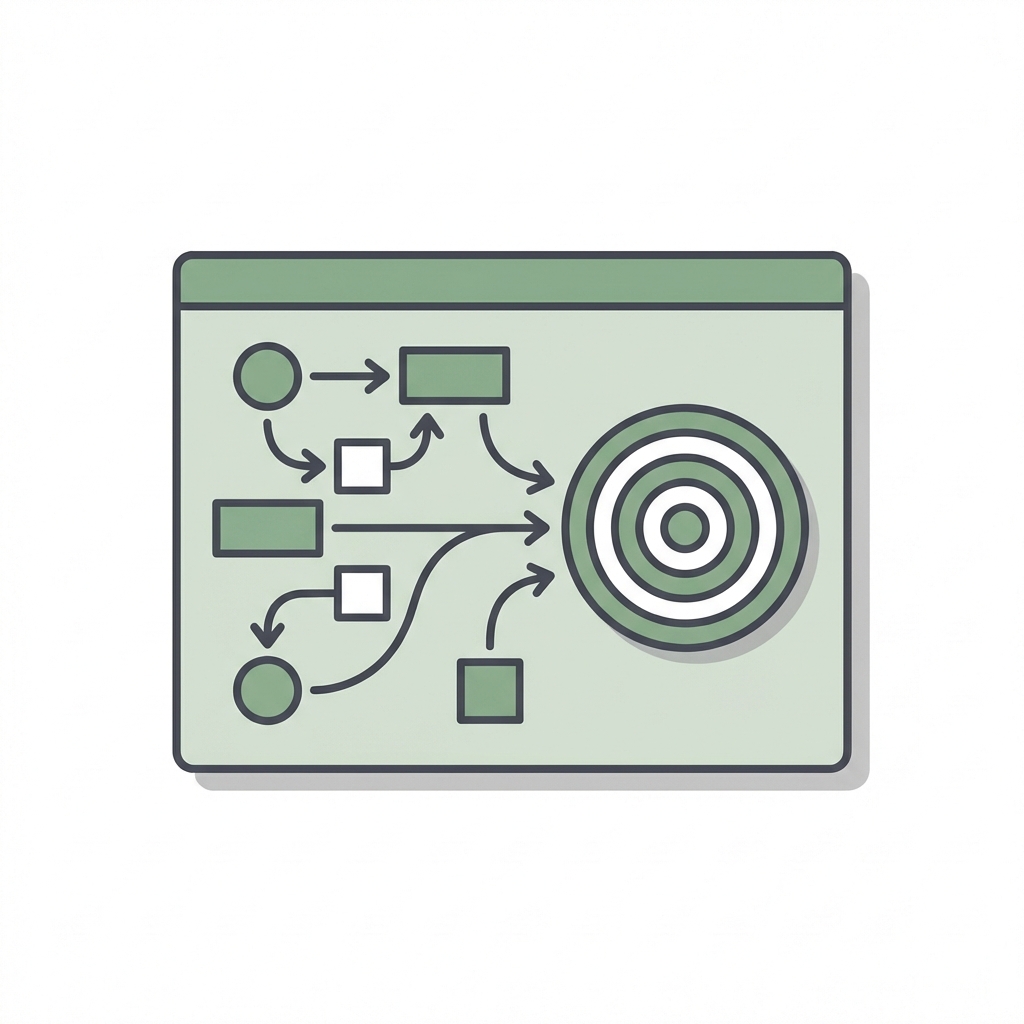
Plan
Strategy before execution. Keyword research. Competitor gap analysis. Content architecture.
Execute
On-site SEO. Content. Development. Every task connects back to the plan.
Measure
Revenue, not rankings. Monthly reporting on what matters to your business.
Want to see what this looks like for your store? Every engagement starts with a conversation about where you are now and where you want to be.
Melbourne-Based. Not a Remote Team Pretending to Be Local.
We’re on St Kilda Road. If you want a face-to-face strategy session, we can do that. If you prefer to work over video, we can do that too. But we’re not a distributed agency somewhere else claiming Melbourne credentials.
We understand Melbourne’s retail environment: the strong independent retail culture, the competitive nature of the local market, and what Melbourne shoppers expect from an ecommerce experience.
We also work with businesses across Australia. If you’re in Sydney, Brisbane, or elsewhere — we work just as effectively over video. But for Melbourne businesses that want a local team they can actually meet, we’re here.
St Kilda Road office: Level 4, 479 St Kilda Road, Melbourne VIC 3004. A 10-minute tram from the CBD.
We also work with Brisbane ecommerce businesses — see our Brisbane ecommerce agency page.
Frequently Asked Questions: Ecommerce Agency Melbourne
Every project is different, so we start with a conversation to understand your requirements and where your store is today. From there we scope the work and put together an investment that matches. The best way to get a feel for cost is to book a chat. We’ll ask about your business, your products, and what you need the store to do. Then we’ll come back with a clear scope and figure so you know exactly what you’re looking at before committing to anything.
The diagnostic phase takes 2 to 4 weeks. During this time we’re reviewing your analytics, auditing your current store, analysing competitors, and building the action plan. The build phase depends on scope. A straightforward WooCommerce store with an existing product catalogue takes 8 to 12 weeks. A complex build with custom product types, integrations, and data migration takes 12 to 16 weeks. We’ll give you a clear timeline before any work starts. No surprises.
Sometimes a rebuild is the right call. Sometimes your existing store just needs strategic improvements. The honest answer is we don’t know until we look. That’s why we always start with a diagnostic. If your current store is on a solid platform (especially WooCommerce or WordPress) and the architecture is sound, we can often fix what’s not working without starting from scratch. If the platform itself is the problem, for example, you’re on a proprietary system that Google can’t crawl, or your hosting can’t handle your traffic, then a migration makes more sense. We diagnose first. We don’t push rebuilds when a fix will do.
Both are good platforms. The right choice depends on your business. WooCommerce suits businesses that need flexibility. Custom product types, complex pricing tiers, B2B and retail on the same store, integration with specific accounting or warehouse systems, and full ownership of your platform and data. Shopify suits businesses that want simplicity. Standard product types, straightforward pricing, and a preference for a managed hosting environment where updates happen automatically. We specialise in WooCommerce because most of the established businesses we work with need the flexibility it offers. But if Shopify is genuinely the better fit, we’ll say so.
This is a common concern, especially for businesses with an active sales team or wholesale relationships. The short answer: it shouldn’t, if it’s set up correctly. Ecommerce should complement your existing channels, not compete with them. That means thinking about pricing strategy (are online prices the same as trade prices?), customer segmentation (which customers buy online vs through your sales team?), and attribution (how do you measure which channel drove the sale?). We help you work through these questions during the diagnostic phase so your online store grows revenue without undermining the channels that are already working.
There’s a big difference between ad hoc support and a growth partnership. Ad hoc support is fixing things when they break. A plugin conflict, a payment gateway error, a product that won’t display correctly. Important, but reactive. A growth partnership is strategic. Monthly search engine optimisation work, conversion rate optimisation, new content, product page improvements, category restructuring, and regular reporting on revenue and search performance. This is how ecommerce stores grow consistently over time rather than stalling after launch. Most of our ongoing partnerships include both. We fix what breaks and we proactively work on what drives more revenue.
Yes. We’ve built and managed WooCommerce stores with hundreds of products across complex category structures. Large catalogues bring specific challenges: bulk product management, variant structures (sizes, colours, configurations), category architecture that helps both customers and search engines navigate the range, and making sure every product page is optimised without doing it manually one by one. If you have 500-plus products or a catalogue with deep sub-categories and variants, this is exactly the type of ecommerce we specialise in.
We’re based in Melbourne, on St Kilda Road, but we work with businesses across Australia. We’ve built and grown stores for businesses in Queensland, New South Wales, and Victoria. If you’re in Melbourne and prefer face-to-face strategy sessions, we’re a short tram ride from the CBD. If you’re interstate, we work just as effectively over video calls and shared dashboards. We also have a dedicated page for businesses looking for an ecommerce agency in Brisbane.
Ready to Talk About Your Store?
Book a free 30-minute call. We’ll review your current store, identify the biggest revenue opportunities, and tell you exactly what we’d do first. No pitch deck. No hard sell.
What happens on the call: You’ll speak directly with one of our senior ecommerce consultants. Not a salesperson, not a junior account manager. We’ll ask about your store, your numbers, and what you’ve already tried. By the end of the call, you’ll have a clear idea of where to focus.
We take on a limited number of new clients each quarter to ensure every engagement gets the attention it deserves.
Prefer email? Send us a message via our contact page.

